
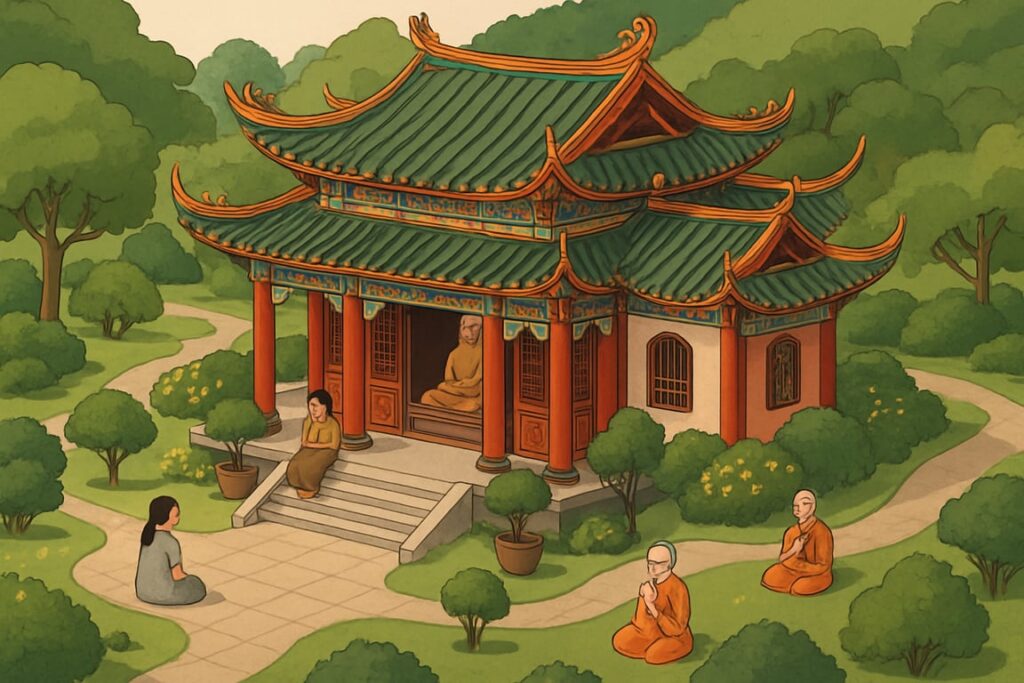
Introduction to Penang’s Buddhist Temples
Penang, a vibrant state in Malaysia, is renowned for its rich cultural tapestry and spiritual heritage. Among its many attractions, Buddhist temples hold a special place, drawing visitors and devotees alike. These temples not only serve as places of worship but also as cultural landmarks that embody the historical and spiritual essence of Penang. This article explores some of the most famous Buddhist temples in Penang, focusing especially on the Temple of Gratitude Poh Ern Si, placing them in context for visitors seeking inspiration and spiritual insight.
Historical Background of Buddhist Temples in Penang
Buddhism has a long-standing presence in Penang, dating back centuries with the arrival of Chinese immigrants who brought their religious traditions. Over the years, temples have been established reflecting different branches of Buddhism, such as Mahayana and Theravada. These sacred sites not only highlight the spiritual practices of the community but also illustrate Penang’s multicultural heritage, blending Chinese, Thai, Burmese, and local Malay influences in architectural and cultural expressions.
The Temple of Gratitude Poh Ern Si: A Symbol of Devotion
Overview
The Temple of Gratitude Poh Ern Si is one of Penang’s most distinguished Buddhist temples. Known widely for its breathtaking architecture and serene ambiance, it stands as a beacon of peace and mindfulness. Poh Ern Si translates to “Temple of Gratitude,” reflecting the deep sense of thankfulness that forms the foundation of its teachings and community activities.
Architectural Highlights
Characterized by traditional Chinese temple architecture, the Temple of Gratitude boasts intricate carvings and vibrant colors that vividly tell Buddhist stories and principles. Its design incorporates graceful roof curves, detailed sculptures, and peaceful garden courtyards, inviting visitors to reflect and find tranquility in its surroundings.
Cultural and Spiritual Significance
Beyond its physical beauty, the temple serves as an important spiritual hub for meditation, prayer, and community rituals. It attracts both local devotees and tourists who seek a deeper connection with Buddhist teachings or wish to participate in cultural festivals celebrated within its grounds.
Kek Lok Si Temple: The Largest Buddhist Temple in Penang
Kek Lok Si Temple is arguably the most famous Buddhist temple in Penang. Nestled on the hillside of Air Itam, it is renowned for its grandeur and religious significance. The temple complex combines elements of Chinese, Thai, and Burmese architecture, symbolizing unity among various Buddhist traditions. Link to related content
Burmese Buddhist Temple: Dhammikarama Burmese Temple
The Dhammikarama Burmese Temple represents the peaceful presence of the Burmese community in Penang. Established in the early 19th century, this temple is noted for its stunning teak-wood carvings and peaceful garden setting. It offers insight into Theravada practices distinct from other temples around Penang.
Comparing Temple of Gratitude Poh Ern Si with Other Temples
While Kek Lok Si’s size and iconic presence often overshadow other temples, the Temple of Gratitude Poh Ern Si offers a unique experience focused on mindfulness and thankfulness. In contrast to Dhammikarama’s Burmese Theravada style, Poh Ern Si reflects more of the Mahayana tradition common among Penang’s Chinese community. Each temple offers a unique spiritual environment, appealing to diverse visitors depending on their interests in Buddhist art, ritual, or meditation.
Visiting the Famous Buddhist Temples in Penang
When planning a visit, understanding the distinctive appeal of each temple enriches the experience. The Temple of Gratitude Poh Ern Si offers a contemplative and welcoming atmosphere ideal for those seeking spiritual inspiration. Visitors can combine this with trips to Kek Lok Si or Dhammikarama to appreciate the broader cultural and religious landscape of Penang. All temples maintain open doors to tourists and worshippers, providing opportunities for cultural exchange and personal reflection.